
Lorem ipsum
Scientist
Lorem ipsum
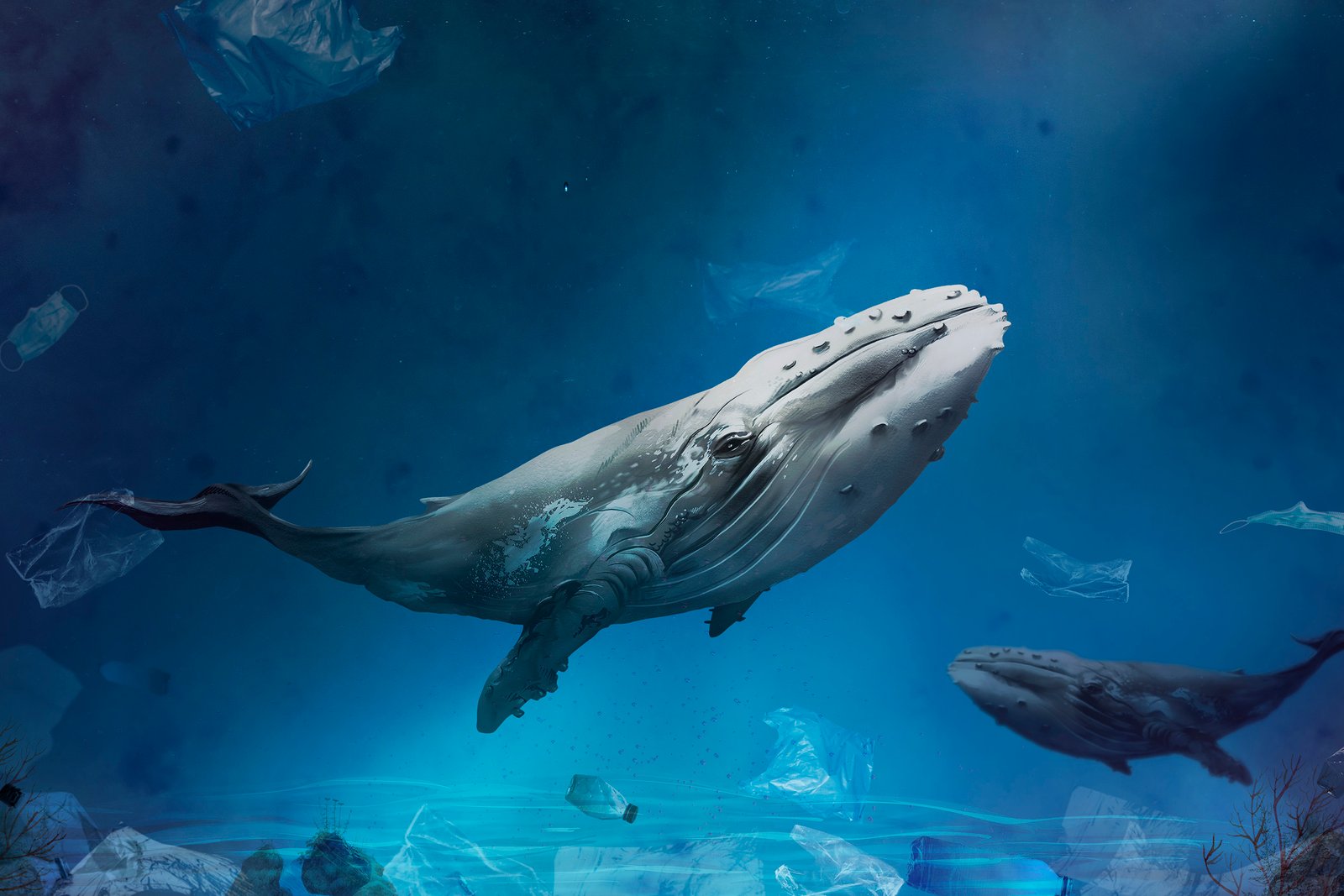
The Leverhulme Centre for the Holobiont brings together a diverse community of researchers working across microbiology, ecology, evolution, plant sciences, conservation biology, bioengineering, genomics, metabolomics and bioinformatics. Based at Imperial College London and partner institutions across the UK and internationally, our researchers combine expertise from multiple disciplines to investigate how hosts and their microbial communities interact across the Tree of Life. Together, they are developing new knowledge, technologies and approaches to understand, engineer and apply holobiont systems to some of the world's most pressing environmental and societal challenges.
Lorem ipsum 2
Scientist
Lorem ipsum
Scientist
Lorem ipsum
Scientist
Lorem ipsum
Scientist
Lorem ipsum
Scientist
Lorem ipsum
Scientist
Lorem ipsum
Scientist
Lorem ipsum
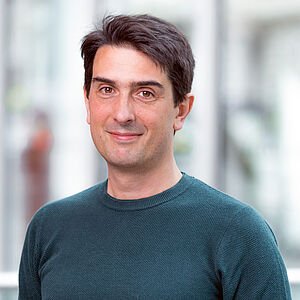
Chair/Head of Systems Medicine, Imperial College London
Prof Marc-Emmanuel Dumas studies the role of metabolism and the microbiome in health and disease, with a particular focus on cardiometabolic disorders, chronic inflammation, and cancer. His research uses metabolomics, genomics, and microbiome science to understand metabolic regulation and identify novel biomarkers and therapeutic targets within a systems medicine framework.

Professor of Computational Systems Biology & Medicine
Prof Tanaka studies the fundamental principles that govern biological systems using mathematical modelling, systems biology, and control engineering approaches. Her research aims to understand how regulatory mechanisms function across different biological scales and how their failure contributes to disease.
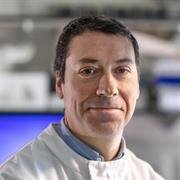
Director of the Centre and Professor of Microbial Ecology
Prof Thomas Bell studies the ecology and evolution of microbial communities, which are among the most complex, diverse, and least understood groups of organisms, using a combination of laboratory-based experiments and field manipulations of naturally occurring communities. His research focuses on biodiversity and ecosystem functioning in bacterial communities, spatial patterns of bacterial distribution, and predator-prey interactions within microbial systems, particularly the effects of protist predators on bacterial prey.
No people found in this category.